

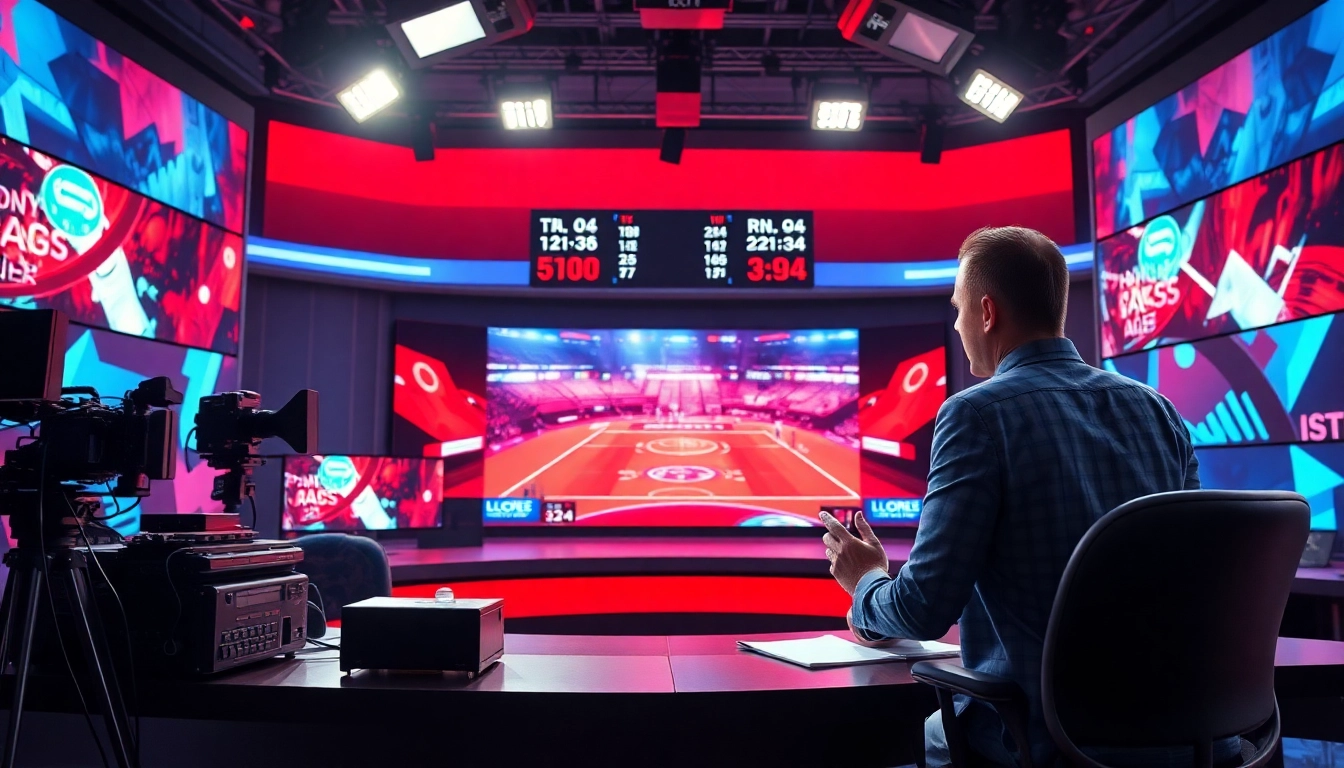
Understanding the Landscape of Sports Broadcasting
Defining Sports Broadcasting
Sports broadcasting is the dissemination of sports events and related content via various media channels, including television, radio, and the internet. It encompasses live coverage of sporting events, pre- and post-game analysis, interviews, and commentary. As a dynamic field, it merges entertainment and information, offering fans unparalleled access to their favorite sports, teams, and athletes. The rise of digital platforms has particularly broadened the scope of Sports Broadcasting, making it accessible to global audiences anytime and anywhere.
The Evolution of Sports Broadcasting
Sports broadcasting has undergone significant transformations since its inception. The first radio broadcasts of sports events emerged in the 1920s, introducing a new way for fans to engage with sports. Television further revolutionized this landscape in the 1950s, enabling millions to watch live events in their homes. The advent of satellite technology in the late 20th century expanded the reach of broadcasters, allowing for international coverage of events. Today, the digital age has brought streaming services to the forefront, changing how audiences consume sports media and leading to personalized and on-demand viewing experiences.
Importance of Audience Engagement
Engagement with the audience is paramount in sports broadcasting. With a plethora of options available, broadcasters must strive to create compelling content that captures and retains viewer interest. Engaging storytelling, interactive elements, and high-quality visuals play crucial roles in enhancing viewer experience. Broadcasters who understand and leverage their audience’s preferences and behaviors can build loyalty and community around their content, leading to sustainable growth and revenue opportunities.
Key Trends Reshaping Sports Broadcasting
Rise of Streaming Services
The last decade has seen a meteoric rise in streaming services, fundamentally altering the sports broadcasting landscape. Platforms like Netflix, Amazon Prime, and dedicated sports services offer live broadcasts, highlights, and original programming tailored to niche audiences. This shift caters to changing consumer habits, particularly among millennials and Gen Z, who prefer the flexibility of on-demand content over traditional TV schedules. Streaming also allows broadcasters to experiment with interactive features, enhancing viewer engagement significantly.
Integration of Social Media
Social media has become a powerful tool for sports broadcasters to connect with their audiences. Platforms like Twitter, Instagram, and TikTok serve as extensions of traditional broadcasts, providing real-time updates, behind-the-scenes content, and fan interactions. This integration fosters a sense of community among fans and encourages ongoing engagement, even during off-season periods. Broadcasters who effectively weave social media into their strategies can drive viewership and brand loyalty.
Use of Augmented Reality
Augmented reality (AR) technology is increasingly being incorporated into sports broadcasts to create immersive viewing experiences. From interactive graphics displaying player statistics to virtual enhancements that transport fans closer to the action, AR enhances the storytelling aspect of sports. This technology not only captivates viewers but also provides additional layers of information, making the experience more informative and entertaining. As AR technology advances, its applications in sports broadcasting are expected to expand further.
Best Practices for Content Creation in Sports Broadcasting
Creating High-Quality Visual Content
High-quality visuals are essential in capturing viewer attention in sports broadcasting. This includes camera work, graphics, and video quality. Utilizing multiple camera angles during live events can provide viewers with unique perspectives and enhance the overall viewing experience. Additionally, clear and concise graphics displaying scores, player statistics, and game analysis help keep the audience informed and engaged.
Incorporating Interactive Elements
Interactive elements can significantly enhance viewer engagement during sports broadcasts. Polls, quizzes, and live chats enable viewers to participate actively, making them feel involved. Broadcasters can implement these features through mobile applications or integrate them into the broadcasting platform itself. Engaging the audience in real-time helps foster a connection between the viewers and the content, which can lead to higher overall satisfaction.
Developing Compelling Storylines
Developing compelling narratives surrounding teams, athletes, and events is crucial for engaging sports audiences. Broadcasters should strive to tell stories that resonate emotionally with viewers, showcasing the challenges, triumphs, and backgrounds of the subjects involved. This storytelling aspect can create a deeper connection with the audience, encouraging them to follow the sports more closely and engage with the broadcast regularly.
Metrics to Measure Success in Sports Broadcasting
Viewership Statistics
Monitoring viewership statistics is critical for evaluating the success of sports broadcasts. Metrics such as total views, peak viewership, and average watch time provide insights into how well content is resonating with audiences. Broadcasters can leverage this data to make informed decisions about programming and marketing strategies, identifying which events or shows attract the most viewers and tailoring future content accordingly.
Engagement Rates
Engagement rates offer a deeper understanding of how audiences interact with content beyond mere viewership numbers. This includes metrics like comments, shares, likes, and active participation in interactive elements. High engagement rates indicate strong viewer investment in the content, suggesting that broadcasters are effectively capturing and maintaining audience interest.
Brand Partnerships and Sponsorships
Successful sports broadcasting often relies on brand partnerships and sponsorships as vital revenue streams. Evaluating the success of these collaborations involves analyzing metrics related to brand visibility, audience reach, and overall sentiment towards the sponsors. This information can guide future partnerships and sponsorship deals, ensuring that they align with viewer interests and enhance the broadcast’s authenticity.
Frequently Asked Questions about Sports Broadcasting
What is the role of technology in sports broadcasting?
Technology enhances the viewing experience with better quality, interactive features, and data analytics, making broadcasts more engaging and informative.
How do streaming platforms influence sports broadcasting?
Streaming platforms offer accessibility and flexibility, attracting younger audiences and changing traditional viewing habits significantly.
What are the key elements of engaging sports broadcasting?
Engaging elements include high-quality visuals, relatable storytelling, and audience interaction, crucial for retaining viewer attention.
How can sports broadcasters measure their audience?
Metrics and analytics tools help broadcasters measure viewership ratings and audience engagement across various platforms effectively.
What is the future of sports broadcasting?
Innovations like virtual reality and AI-assisted analytics are expected to shape the future landscape of sports broadcasting, enhancing viewer experiences.