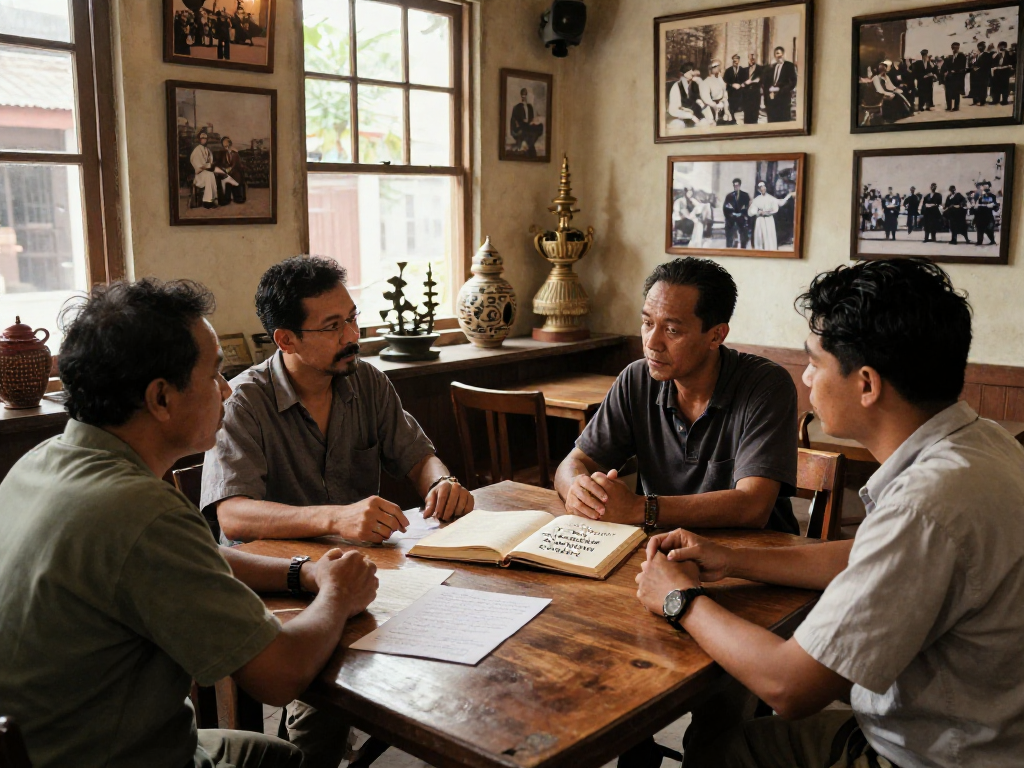
Introduction to Dutch-Indonesian History
The complex history between the Netherlands and Indonesia is marked by colonial ambitions, fierce resistance, and a long struggle for independence. Understanding this tumultuous period not only sheds light on the past but also informs our understanding of contemporary Indonesian identity. Through the lens of critical events, strategies, and the spirit of struggle, we can trace the evolution of this relationship and how it has shaped Indonesia into a sovereign nation. For those interested in exploring these intricate narratives, rokok88 offers comprehensive insights into this historical journey.
Key Events Leading to the Colonial Era
The relationship between Indonesia and the Netherlands began in the early 17th century when the Dutch established the Dutch East India Company (VOC). This company was primarily focused on trading spices, which were highly valued in Europe. Over the years, the VOC expanded its influence, establishing control over various islands and trading routes. The end of the 18th century saw the VOC's decline and eventual dissolution, leading to direct Dutch colonial rule in Indonesia.
Key events that set the stage for colonization included the Dutch invasion of Java in 1619, the subsequent establishment of Batavia (now Jakarta), and the consolidation of Dutch power through treaties with local rulers. These actions not only demonstrated the Dutch's imperial ambitions but also disrupted local economies and traditional governance structures.
Understanding Colonial Impact on Indonesia
The impact of colonialism on Indonesia was profound and multifaceted. Economically, the Dutch extracted vast resources, significantly altering the local economy to serve European markets. The introduction of cash crops like coffee, sugar, and rubber transformed agricultural practices, often at the expense of local food production. Socially, the Dutch implemented a hierarchical system that favored Europeans over indigenous populations, leading to deep-seated inequalities and resentment.
Culturally, colonial education policies created a small elite class who were educated in Dutch institutions, fostering a sense of nationalism that would later fuel independence movements. The psychological effects of colonialism, including loss of autonomy and cultural identity, contributed to a collective longing for self-determination.
Importance of Historical Narratives
Understanding the narratives surrounding the Dutch-Indonesian colonial past is crucial for several reasons. Firstly, it allows for a more nuanced comprehension of current relations between the two countries. Additionally, these narratives shape national identity in Indonesia and influence how history is taught and remembered. Engaging with these stories fosters a sense of connection to the past and emphasizes the resilience of the Indonesian people.
Major Conflicts During Colonization
First Dutch-Indonesian War Explained
The First Dutch-Indonesian War (1945-1949) was a critical conflict that emerged immediately after World War II. Following the Japanese occupation, the Indonesian people sought to assert their independence, leading to a violent confrontation with Dutch forces trying to re-establish control. The war was characterized by guerrilla warfare tactics from Indonesian fighters and heavy-handed military responses from the Dutch. The recognition of Indonesia’s independence ultimately came through international pressure and negotiations, marking a significant turning point in the region's history.
Strategic Locations and Their Roles
Throughout colonial times, several strategic locations played pivotal roles in the conflicts between the Dutch and Indonesians. Java, being the political and economic center, saw major battles and was a focal point for both colonial administration and resistance. Meanwhile, regions such as Sumatra and Sulawesi were vital for their resources and strategic maritime positions, making them key battlegrounds for control and influence.
Prominent Figures in the Conflict
Numerous individuals emerged as prominent figures during the Dutch-Indonesian conflicts, each contributing to the nation's fight for independence. Sukarno, Indonesia's first president, was a revolutionary leader who galvanized the masses with his vision of a free Indonesia. Meanwhile, figures like Mohammad Hatta played a vital role as vice-president and negotiator during the independence talks. Their leadership and ideological frameworks laid the groundwork for a united national front against colonial rule.
Independence Movements
Early Resistance Against Colonial Rule
The struggle for Indonesian independence was not spontaneous; it was built upon decades of resistance against colonial rule. Early movements in the 19th and early 20th centuries saw the rise of organizations like Budi Utomo, which aimed to promote Javanese culture and education, laying a foundation for nationalist sentiments.
Key Events Leading to Independence
Several key events propelled the Indonesian struggle toward independence. The Japanese occupation during World War II weakened Dutch authority and provided an opportunity for local leaders to claim power. The proclamation of independence on August 17, 1945, by Sukarno and Hatta marked the formal beginning of the Indonesian Republic. Despite this declaration, the struggle continued with the Dutch seeking to reassert control, leading to further conflict and the eventual acknowledgment of Indonesian sovereignty in 1949.
Role of National Heroes in the Movement
National heroes played an instrumental role in inspiring and mobilizing the Indonesian populace during the independence movement. Figures such as Diponegoro, who led the Java War in the 19th century, and later leaders like Sutan Sjahrir, were pivotal in creating a narrative of resistance. Their sacrifices and ideologies continue to be celebrated in Indonesian history, reminding citizens of the importance of unity and perseverance.
The Role of International Influence
Global Perspectives on Colonialism
International perspectives on colonialism significantly influenced Indonesia's path to independence. The post-war context saw a growing global awareness of anti-colonial sentiments, driven by decolonization trends in Asia and Africa. International organizations like the United Nations began to advocate for self-determination, which gained traction among Indonesia's leaders seeking global recognition.
Impact of World Wars on Indonesian Independence
The World Wars had a profound impact on Indonesia's trajectory towards independence. The Japanese occupation during World War II dismantled Dutch colonial authority, empowering local nationalists. Post-war, the chaotic political landscape and the urgency of decolonization created pressure for the Dutch to relinquish control and recognize Indonesia's sovereignty.
International Recognition of Sovereignty
The path to international recognition was marked by a series of negotiations and conflicts, particularly during the Indonesian National Revolution. Diplomatic efforts, including participation in the Round Table Conference in The Hague in 1949, were crucial in securing acknowledgment of Indonesia as a sovereign nation, marking the culmination of a long struggle against colonial rule.
Modern Reflections and Learning from History
How History Shapes Current Indonesian Identity
Today, the history of the Dutch-Indonesian conflict continues to shape Indonesia's national identity. Historical narratives are integral in fostering national pride and unity. The collective memory of struggles against colonial oppression has fostered a robust sense of nationalism that remains influential in contemporary politics and society.
Lessons from the Colonial Past
Reflecting on the colonial past provides valuable lessons regarding resilience and the importance of self-determination. Understanding the tactics of resistance employed during colonial times can inspire current movements advocating for justice and equality. Recognizing historical injustices can also inform contemporary dialogues around reconciliation and national healing.
Engaging with Historical Content Today
Engagement with history is accessible through various means today, from academic courses to public exhibitions and literature. As Indonesia continues to evolve, understanding its historical context is vital in navigating contemporary challenges. Encouraging younger generations to explore their history can foster a more informed and engaged citizenry, ensuring that the lessons learned from the past are not forgotten.
What are the primary causes of the Dutch-Indonesian conflict?
The primary causes of the Dutch-Indonesian conflict stemmed from a combination of colonial exploitation, economic inequality, cultural oppression, and the rising tide of nationalism among the Indonesian populace. As the Dutch sought to maintain control over increasingly restive colonies, tensions escalated, eventually leading to open conflict.
Who were the key figures in the independence movement?
Key figures in the Indonesian independence movement included Sukarno, who was a leading nationalist and later Indonesia's first president, and Mohammad Hatta, who served as vice president. Other influential leaders included Sutan Sjahrir and Diponegoro, who mobilized the masses and helped to forge a national identity focused on self-determination.
How can I learn more about Indonesian history?
To learn more about Indonesian history, one can explore various resources such as historical texts, documentaries, and online courses. Libraries and universities often provide access to academic materials that delve into both the colonial past and the independence movement.
What resources are available for studying this topic?
Various resources are available for studying Indonesian history, including books by historians, online educational platforms, and archives dedicated to colonial studies. Websites focused on Indonesian culture and history also offer valuable insights and primary source materials.
How does this history affect modern Indonesia?
This history affects modern Indonesia in numerous ways, from shaping national identity to influencing contemporary political discourse. The narrative of resistance against colonialism informs national pride and unity while also guiding current discussions on justice, equity, and international relations.